
Local SEO for New England Nonprofits
How to Show Up When People Search “Near Me”
Local SEO is how your organization shows up when someone in your area searches for help, services, volunteering, donation drop-offs, or program information. In practical terms, it helps the right people find you at the exact moment they are trying to act.
A key reason this matters is visibility in the “local pack” (the map results). One BrightLocal analysis found that the local pack appears for the vast majority of searches that have local intent.
What “winning” local SEO looks like for a nonprofit
You are not trying to “rank for everything.” You are trying to be easy to find, easy to trust, and easy to contact for the handful of searches that matter.

Fewer missed connections
Your hours, phone number, location, service area, and program details match reality. People do not show up at the wrong time. People do not call a disconnected number. BrightLocal’s research on listing trust has repeatedly shown that incorrect business information damages trust and can drive people away.

More “high intent” actions
Local searchers are often trying to do something now. Google itself frames local ranking around relevance, distance, and prominence. Your job is to help Google and humans understand what you do, where you do it, and why you are legitimate.

Better volunteer and program-fit inquiries
When each program has a clear page and a clear location context, you get fewer vague inquiries and more “I live in X and I need Y” requests.
Strategy 1
Treat your Google Business Profile like an intake desk
For many nonprofits, Google Business Profile is the first thing people see. It is also one of the strongest levers you control directly.
Claim and verify it, then lock it down
Make sure the profile is owned by the organization, not a former staff member, a board member, or a vendor. Use a shared mailbox or a role-based address where possible. This is risk management as much as marketing.

Pick the right categories, then keep them stable
Google’s own guidance is simple. Choose the primary category that best describes what you are. Add only a small set of secondary categories that are truly accurate.
Category selection is not cosmetic. Industry research consistently shows it is a major local ranking driver.
Use service areas correctly, especially in rural New England
If you do not serve people at your address, Google explicitly tells you to remove your address and use service areas instead. This is particularly relevant for nonprofits that serve multiple towns, do home visits, operate mobile services, or run programs across a region.

Hours and special hours are not optional
Incorrect hours create bad experiences and reduce trust. BrightLocal cites consumer research indicating that when people arrive and a business is closed when it claimed to be open, many will choose an alternative. Google supports “special hours” for holidays and exceptions. Set them before long weekends, snow closures, and seasonal shifts.
Photos that reduce uncertainty
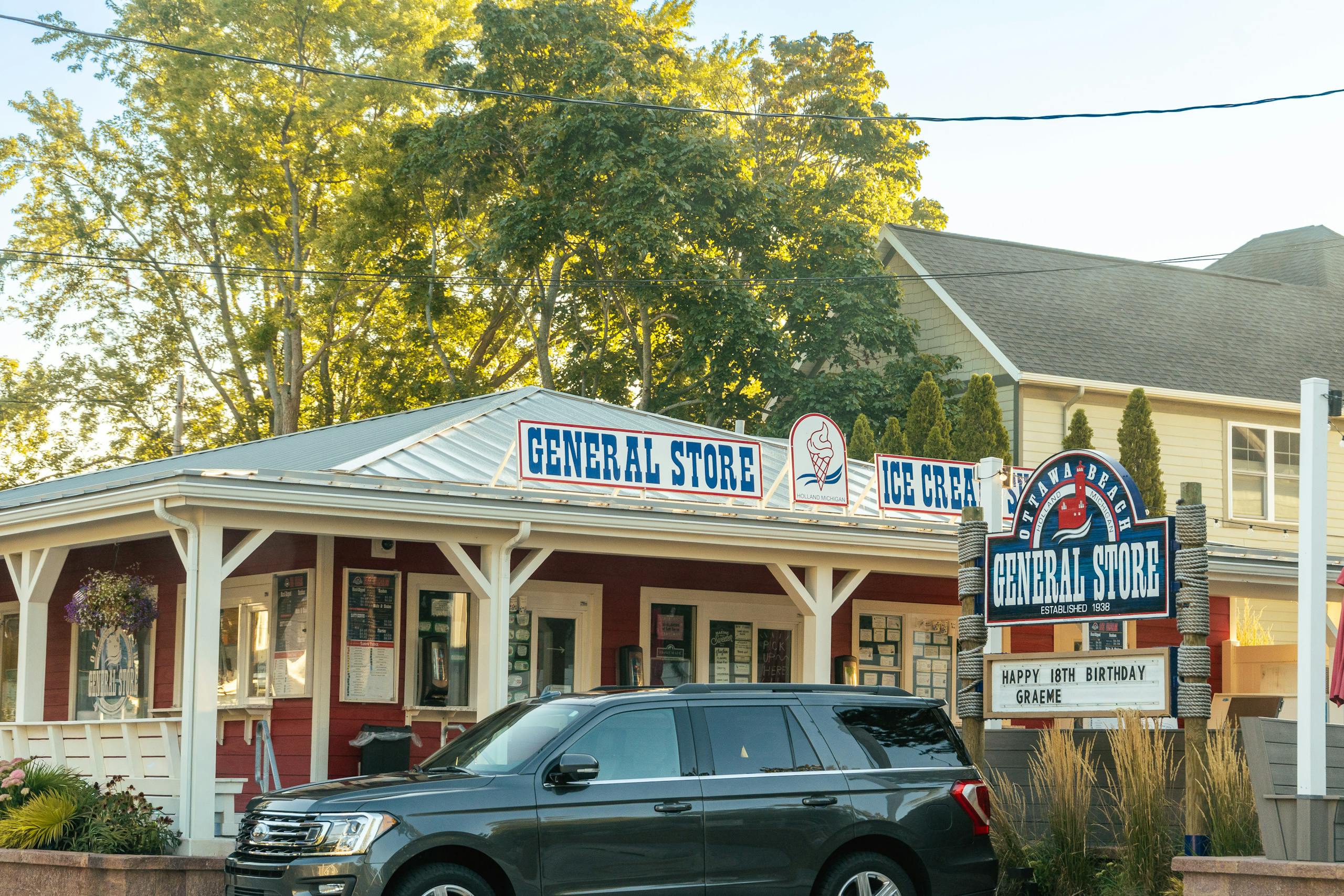
Add photos that answer practical questions. What entrance should someone use. Where to park. What the donation drop-off looks like. What signage they should look for. This is not about being “beautiful.” It is about making the first visit less stressful.
Use posts for “what’s happening this month”
Posts are a simple way to keep the profile active and clarify current reality. Program registration windows, seasonal drives, event dates, and weather-related closures belong here.
Strategy 2
Build program pages the way people actually search
Your website is where you can provide the detail Google cannot fit into a profile. Program pages are where nonprofits usually win local SEO.

One program, one page, one clear purpose
If your page mixes three programs, two counties, and four audiences, it will not rank well and it will not convert well. A strong program page is specific. It says who it is for, what it provides, where it is available, and how to access it.
Write for the “near me” reality without sounding robotic
“Near me” searches are not a trend. They are an established behavior pattern. Google reported very large growth in mobile “near me” shopping-intent searches in prior reporting. For nonprofits, the equivalent is not shopping. It is “food pantry near me,” “housing help near me,” “volunteer opportunities near me,” and “donate clothes near me.” Your pages should include the words people use naturally.

Put the location context above the fold
Do not bury the basics. Early on the page, state towns served, where services occur, and whether you require appointments. This reduces bounce and helps relevance.

Add a short “eligibility and what to bring” section
This reduces unnecessary calls and helps staff. It also increases trust because it signals competence and preparedness.

Add clear next steps that match real operations
If someone should call first, say so. If they can walk in, say so. If there is an online form, make it prominent. Avoid sending people on a scavenger hunt.
Strategy 3
Get your organization details consistent across the internet
This is the unglamorous work that prevents avoidable failure.
Nail your NAP everywhere
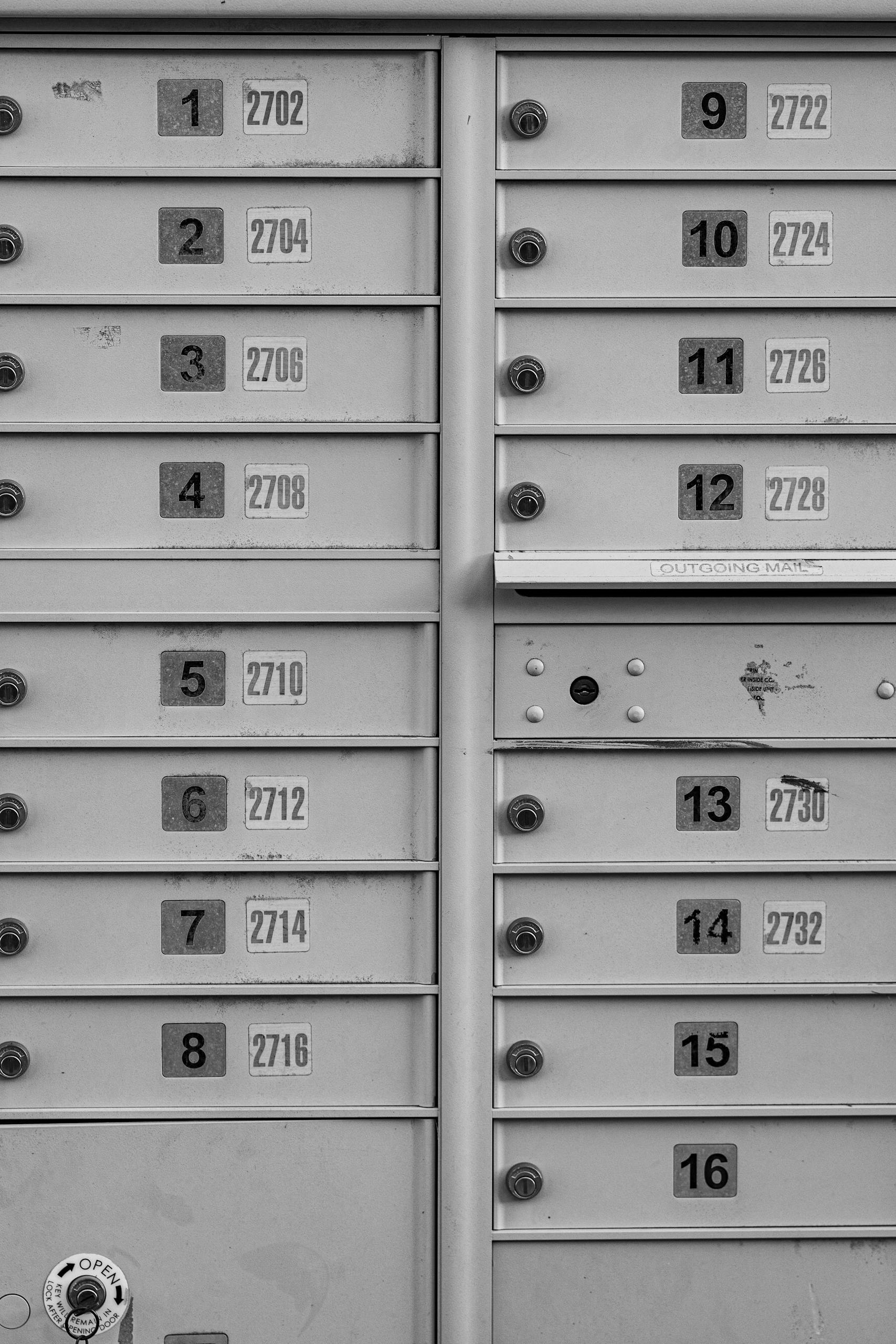
NAP means name, address, phone. Also include your website and hours. Inconsistent information across directories and maps is a common reason people get confused or lose trust. BrightLocal’s research on listing accuracy and trust shows that incorrect information can meaningfully undermine confidence.
Prioritize the places people actually use
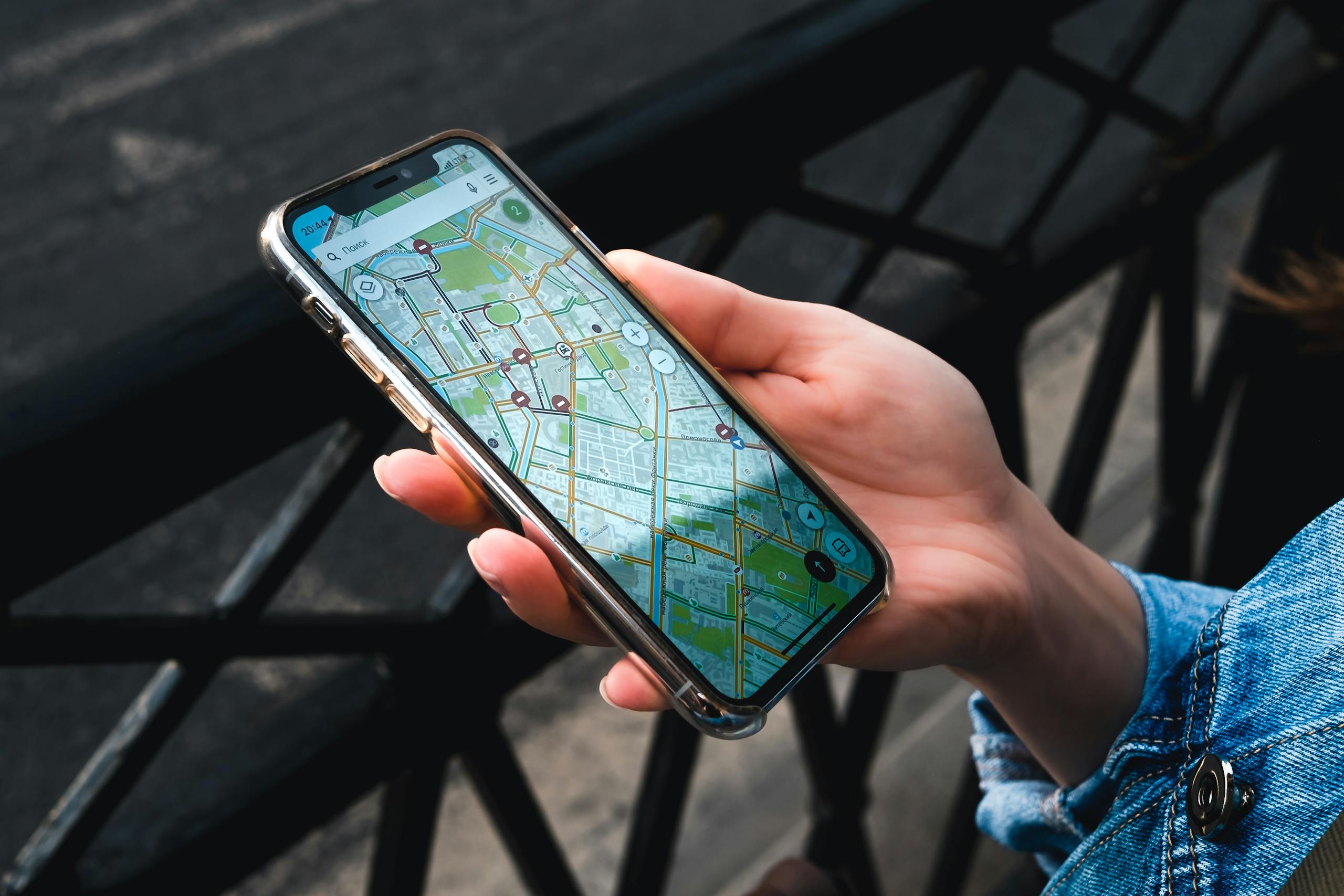
For most nonprofits, the first tier is Google, Apple Maps, Bing Places, Facebook, and major nonprofit profiles such as GuideStar and Charity Navigator if applicable. Then add local tiers such as town pages, libraries, schools, chambers, regional directories, and partner sites.

Create a simple “source of truth” page internally
Keep one internal doc that lists the canonical name formatting, phone number, hours, holiday closure policy, mailing address, and service area description. This makes staff turnover less damaging.
Strategy 4
Reviews are a trust system, not a vanity metric
Reviews affect both conversion and visibility. They also reduce fear and uncertainty for first-time clients and first-time volunteers.

Ask in moments that feel normal
After a successful appointment. After an event. After a volunteer shift. After a resolved support request. You are not begging for praise. You are helping future community members choose safely.

Make it easy to review the right place
Send a direct link to your Google review form. If you have multiple locations, send the correct location link.

Respond in a way that protects privacy
For nonprofits, review responses must be careful. Thank the person. Confirm values. Avoid confirming that someone received services. Keep it general and human.

Response speed and consistency matter
BrightLocal’s 2025 consumer research found many consumers expect review responses within days, not months. You do not need to respond to every review immediately. You do need to show you are paying attention.
Strategy 5
Local links and partnerships are your “prominence” engine
Prominence is partly about how well-known and well-referenced you are. Google explicitly includes prominence in its local ranking explanation.

Event pages that include a Valuable link back
If you sponsor, table, or participate, ask the organizer for a link to the relevant program page, not just your homepage.

Partner organizations should link to program pages, not just “resources”
A generic resources list is helpful, but a link to a specific program page is far more useful for both users and search.

Local media and local newsletters still matter
In small New England markets, local outlets and town newsletters can send meaningful traffic and create strong local signals.

Publish one “local proof” page per year
An annual impact report, a “year in review,” or a community outcomes page often earns links naturally because it gives partners something concrete to cite.
A Simple Measurement Approach
Watch Google Business Profile actions
Track calls, website clicks, and direction requests inside GBP. This is often the most direct indicator that local visibility is turning into real-world actions.
Track a small set of outcomes, not vanity traffic
For most nonprofits: inquiries, sign-ups, volunteer applications, event registrations, and donation completions matter more than raw sessions.
Use UTMs on links from GBP to your site
This makes attribution cleaner in analytics, even if you only check it monthly.
what comes next?
Local SEO is no longer just “ranking,” it is “being the cited answer”
Google is increasingly answering questions directly in search, including AI-generated summaries. That changes what “visibility” means. In the next post, we will get practical about AI SEO and how nonprofits can show up inside AI answers, not just the blue links.